
Walk into a messy house and it’s hard to know where to start. The kitchen counter is full, the living room has random stuff on every surface, and the bedroom floor has disappeared under clothes. Trying to fix everything in one day is the fastest way to give up by lunchtime.
The better way is to organize your house room by room. You finish one space, enjoy the win, then move to the next. Here’s how to do it.
Before You Start: Set Up Your System
A few minutes of prep saves hours later. Grab these:
- Trash bags
- Three boxes or bins labeled Keep, Donate, and Relocate
- Cleaning spray and cloths
- A marker for labeling
Then pick your order. Start with the room that annoys you most, or the one you use most, since the payoff is bigger. Work in small zones, like one shelf or one drawer, so you never feel buried.
The Golden Rule: Declutter First
Never organize clutter. If you buy bins and baskets before sorting, you’ll just store stuff you don’t need. In every room, ask the same questions: Do I use this? Do I love this? Does it belong here? If the answer is no to all three, it goes.
1. Entryway
The entryway sets the tone for the whole home, and it’s usually where clutter piles up first.
- Add hooks for bags, keys, and jackets.
- Use a shoe rack or a small bench with storage underneath.
- Keep a small tray for keys, coins, and mail.
- Sort mail daily and toss junk right away.
A simple home organization system here stops clutter at the door before it spreads.
2. Living Room
This is where everyone gathers, so it gets messy fast.
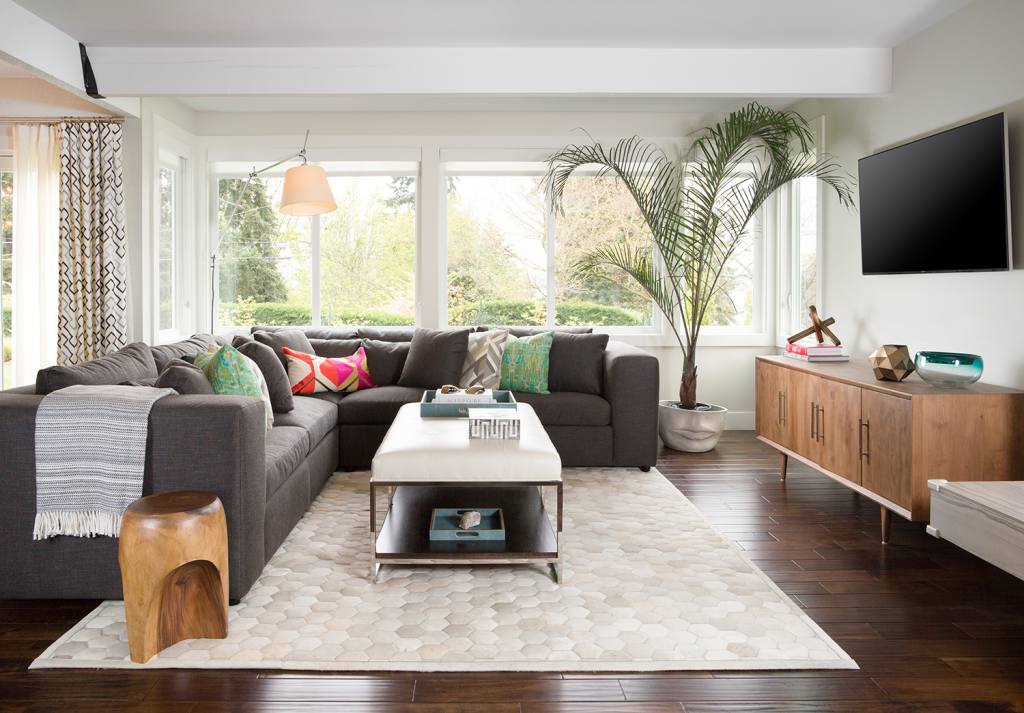
- Clear the coffee table and side tables completely, then put back only what you need.
- Use baskets for throw blankets, remotes, and kids’ toys.
- Choose furniture with hidden storage, like ottomans and media consoles with doors.
- Limit décor to a few pieces you really like.
A tidy living room feels larger and calmer, even if the space is small.
3. Kitchen
The kitchen is often the hardest room, but it’s also the one that makes the biggest difference to your daily life.
- Empty one cabinet or drawer at a time. Check expiry dates and throw out old food.
- Donate duplicate gadgets and mismatched containers.
- Store things near where you use them: pots near the stove, plates near the dishwasher.
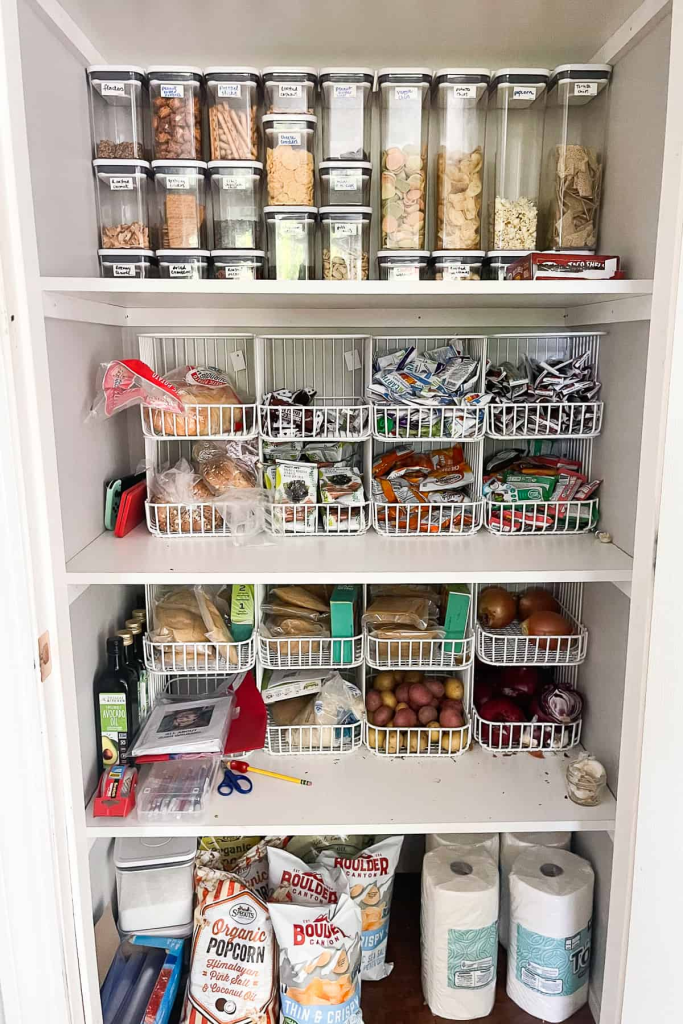
- Use drawer dividers, shelf risers, and clear containers for kitchen organization that lasts.
- Keep counters mostly clear. Only leave out what you use every day.
4. Bedroom
Your bedroom should help you rest, not stress you out. If you want more detail, check out our full guide on how to organize your room.
- Make the bed every morning. It takes two minutes and changes how the whole room looks.
- Go through your wardrobe and remove anything that doesn’t fit or you haven’t worn in a year.
- Fold clothes vertically in drawers so you can see everything.
- Use under-bed storage for off-season clothes and extra bedding.
- Keep the nightstand simple: a lamp, a book, and a charger.
5. Bathroom
Bathrooms are small, so clutter shows up quickly.
- Throw out expired skincare, makeup, and medicine.
- Group items into small bins: dental, hair, skincare, first aid.
- Use over-the-door hooks and wall shelves to free up counter space.
- Keep extra towels and toilet paper in a basket or on a shelf within reach.
6. Home Office or Study Area
A messy desk makes it hard to focus.
- Keep only daily-use items on top: laptop, notebook, pen holder, and lamp.
- Sort papers into three groups: act on, file, and shred.
- Use a cable organizer to stop tangled chargers.
- Add a shelf or drawer organizer for supplies.
Going digital where you can, by scanning documents and saving them in folders, cuts paper clutter a lot.
7. Closets and Storage Spaces
Storage spaces become dumping grounds, so tackle them last, once you know what you’re keeping.
- Take everything out, clean the space, and only put back what belongs.
- Use stackable bins, labeled boxes, and tall shelves to use vertical storage.
- Store heavy things low and light things high.
- Keep the things you use most at eye level.
How Long Will It Take?
Most people expect to finish everything in one weekend, but a more realistic plan is one room per day, or even one room per week if your schedule is busy. A small space like a bathroom may take an hour or two, while a kitchen or bedroom can need a full afternoon. Set a timer for 30 to 45 minutes, work hard, then take a short break. Focused sessions like this stop you from burning out. Don’t worry if progress feels slow. Every cleared shelf makes the next one easier, and by the time you reach the last room, you’ll have built a routine that carries over into everyday life.
Habits That Keep Your House Organized
Getting organized is one thing. Staying organized is where most people fail. These habits make it easier:
- Everything has a home. If an item has no place, it creates clutter.
- One in, one out. When you bring something new home, let something old go.
- Ten-minute reset. Spend ten minutes each evening putting things back where they belong.
- Weekly check. Pick one day to wipe surfaces, clear the mail, and tidy each room.
- Monthly purge. Quickly scan one room per month for things you no longer need.
Small daily efforts beat big cleanups every time.
Common Mistakes to Avoid
- Doing everything at once. Stick to one room at a time.
- Buying storage first. Declutter, then measure, then shop.
- Keeping things “just in case.” If it has sat unused for a year, let it go.
- Ignoring other people. If you share your home, agree on the system together, or it won’t last.
Quick Room-by-Room Checklist
- Entryway: hooks, shoe rack, key tray
- Living room: clear surfaces, baskets, hidden storage
- Kitchen: sort cabinets, clear counters, label containers
- Bedroom: make the bed, sort wardrobe, use under-bed storage
- Bathroom: toss expired items, group in bins
- Home office: clear desk, sort papers, manage cables
- Closets: clean out, store vertically, keep daily items at eye level
Final Thoughts
You don’t need a huge budget or a free weekend to declutter and organize your home. You need a plan, a little patience, and the willingness to let go of things you don’t use. Take it one room at a time, and keep your routine simple.
Start with one small space today, even if it’s just a single drawer. Once you see the difference, you’ll want to keep going.