Some days it feels like you’re always one step behind. You miss a deadline, forget a bill, lose your keys, and end the day wondering where the time went. That doesn’t mean you’re lazy or “just not an organized person.” It usually means you don’t have a few simple systems in place yet.
If you want to know how to be more organized in life, you can learn it. It isn’t about being perfect. It’s about making things easier for your future self, one small habit at a time.
1. Start With Your Priorities
You can’t organize everything at once, so decide what matters most. Ask yourself: What do I want more of? Less stress? More free time? A better job, a cleaner home, healthier habits?
Write down your top three priorities for this season of life. When something doesn’t fit them, it gets a lower spot on your list. This one step makes every other decision easier.
2. Set Clear, Small Goals
Big goals like “get my life together” are too vague to act on. Break them into small, specific goals you can finish this week.
Instead of “be more organized,” try:
- Clear my desk by Friday
- Pay all bills on the 1st of the month
- Plan my meals every Sunday
Small goals give you quick wins, and quick wins keep you going.
3. Use One Planner or Calendar
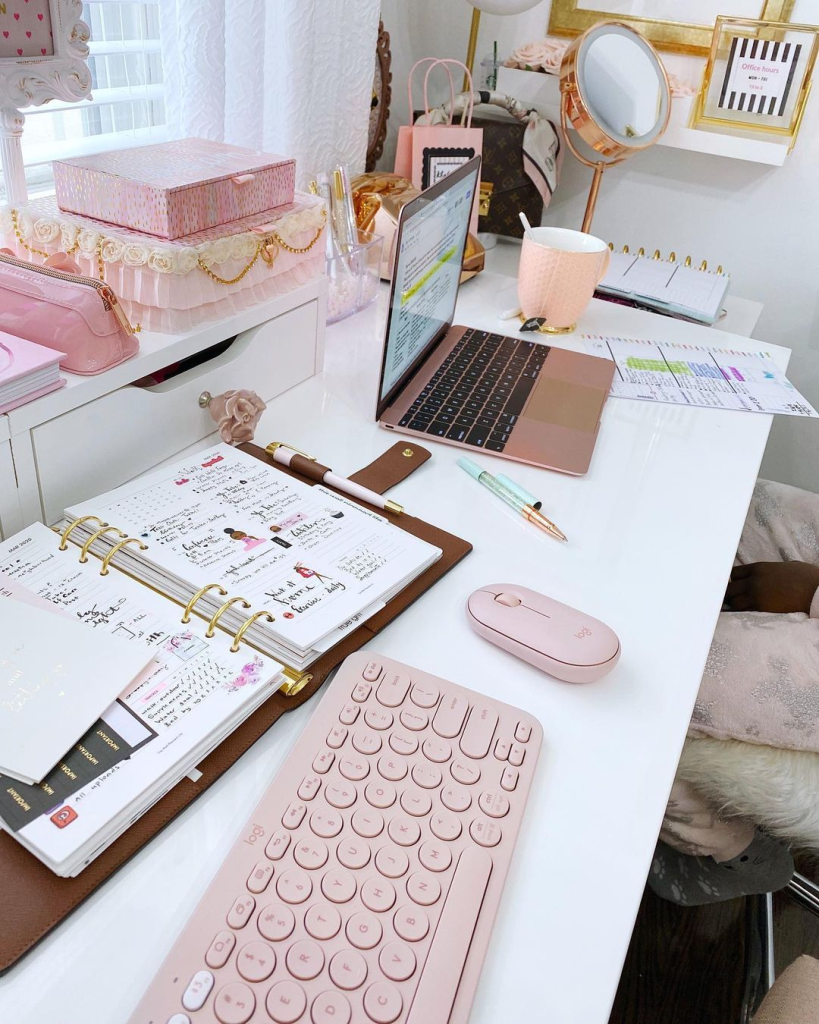
Your brain is for thinking, not for storing every task. Pick one planner, whether it’s a paper notebook or a phone calendar, and use only that one. Splitting tasks across five apps and three sticky notes is how things get lost.
A simple routine works well:
- Write down every appointment and deadline.
- Each night, list your top three tasks for tomorrow.
- Review your week every Sunday.
Ten minutes of planning can save hours of stress.
4. Manage Your Time With Blocks
Good time management isn’t about squeezing more into your day. It’s about giving your focus a place to go. Try time blocking: set aside chunks of the day for specific tasks, like email, deep work, errands, and rest.
Do your hardest task when your energy is highest, usually in the morning. Group small tasks together, like calls or errands, so you don’t keep switching back and forth.
5. Declutter Your Space
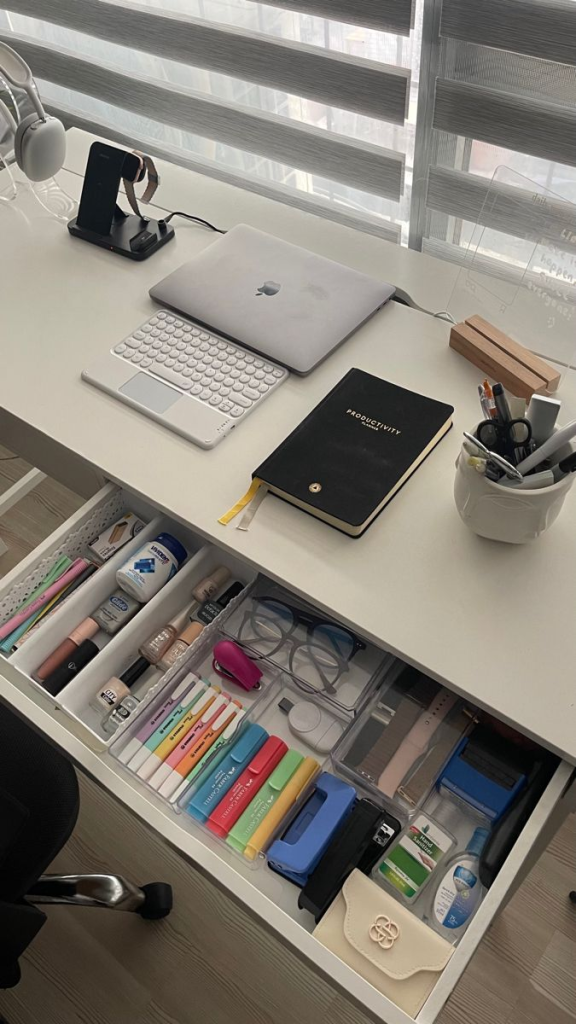
A messy space makes a messy mind. Clutter pulls at your attention and makes it harder to find what you need. Start small: one drawer, one shelf, or your desk.
Sort things into keep, donate, and trash. Give every item you keep a fixed home. If you want a full walkthrough, read our guide on how to be more organized at home. Once your space is decluttered, your day gets smoother almost immediately.
6. Build a Simple Daily Routine
A routine takes the guesswork out of your day. You don’t need a strict schedule, just a few anchors you repeat.
- Morning: Make your bed, check your calendar, and review your top three tasks.
- Midday: Take a real break and step away from your screen.
- Evening: Spend ten minutes tidying, then plan tomorrow.
Routines cut down on decision fatigue, so you have more energy for things that matter.
7. Keep Your Digital Life Tidy
Disorganization isn’t only physical. A cluttered phone, inbox, and desktop slow you down just as much.
- Unsubscribe from emails you never read.
- Create a few clear folders for files and photos.
- Delete old screenshots and unused apps.
- Use a password manager to stop losing logins.
- Back up important files once a month.
A 15-minute digital clean-up once a week keeps things under control.
8. Get Your Money in Order
Being organized with money reduces a lot of stress. Keep it simple:
- Write down your income and regular bills.
- Set up automatic payments where you can.
- Keep a short list of what you owe and when it’s due.
- Set aside a small amount for savings each month.
You don’t have to be a finance expert. You just need to know where your money goes.
9. Learn to Say No
Sometimes the reason you feel disorganized is that you’ve taken on too much. Every yes uses up time and energy. Before you agree to something, ask: Does this fit my priorities? Do I have time for it?
Saying no politely is a skill, and it protects the time you need for what’s important.
10. Be Kind to Yourself
You will have messy days. You’ll miss a task, forget something, or fall back into old habits. That’s normal. What matters is starting again the next day, without guilt.
Consistent small habits beat big, short-lived efforts every time. Pick one or two from this list, practice them for a couple of weeks, then add more.
Common Mistakes to Avoid
- Changing everything at once. Start with one habit.
- Using too many tools. Stick to one planner.
- Aiming for perfect. Aim for better than yesterday.
- Ignoring rest. Being organized includes time to recharge.
- Skipping the weekly review. It takes ten minutes and keeps you on track.
Quick Checklist
- Write your top three priorities
- Set small weekly goals
- Choose one planner
- Block your time
- Declutter your space
- Build a simple daily routine
- Tidy your digital life
- Organize your money
- Say no to extras
- Keep your habits going, even after a slip
Final Thoughts
Learning how to be more organized in life doesn’t mean becoming a different person. It means setting up a few simple systems that work for you: clear priorities, one planner, a decluttered space, steady routines, and good habits. The result is less stress, more time, and a clearer mind.
Pick one habit today and start. For more help, read our post on how to get organized at home when overwhelmed, or our guide on declutter ideas for the home.