Ever wonder why professional organizers make a home look so calm and effortless? It isn’t magic, and it isn’t expensive storage. They follow a simple process and repeat it in every room.
If you want to know how to organize your home like a professional, you’re in the right place. Here are the same steps they use, explained in plain language so you can start today.
1. Start With a Clear Plan
Professionals never grab a bin and start tossing things. They begin by walking through the house and noticing the problem spots: the overflowing closet, the junk drawer, the garage nobody wants to open.
Write a short list of rooms in the order you want to tackle them. Start with the one that bothers you most, or the one you use daily. Then set a small goal for each session, like “clear the kitchen counters” or “sort one wardrobe.” Small goals keep you moving and stop you from burning out.
2. Declutter Before You Organize
This is the rule every pro swears by: declutter first, organize second. If you skip it, you’ll just arrange clutter in nicer containers.
Pull everything out of one space and sort it into four groups: keep, donate, relocate, and trash. Ask yourself three honest questions. Do I use it? Do I love it? Does it belong here? If the answer is no, let it go.
Don’t feel guilty about donating things. Someone else will use them, and your space gets lighter.
3. Sort Items by Category
Once the extras are gone, group similar things together. Put all your batteries in one place, all your towels in another, and all your documents in a third.
Seeing everything together shows you how much you really own. It also stops you from buying a fifth pair of scissors because you couldn’t find the other four.
4. Create Zones and Give Everything a Home
Professionals divide a home into zones based on how you live. A coat zone by the door, a homework zone near the dining table, a cleaning supplies zone under the sink.
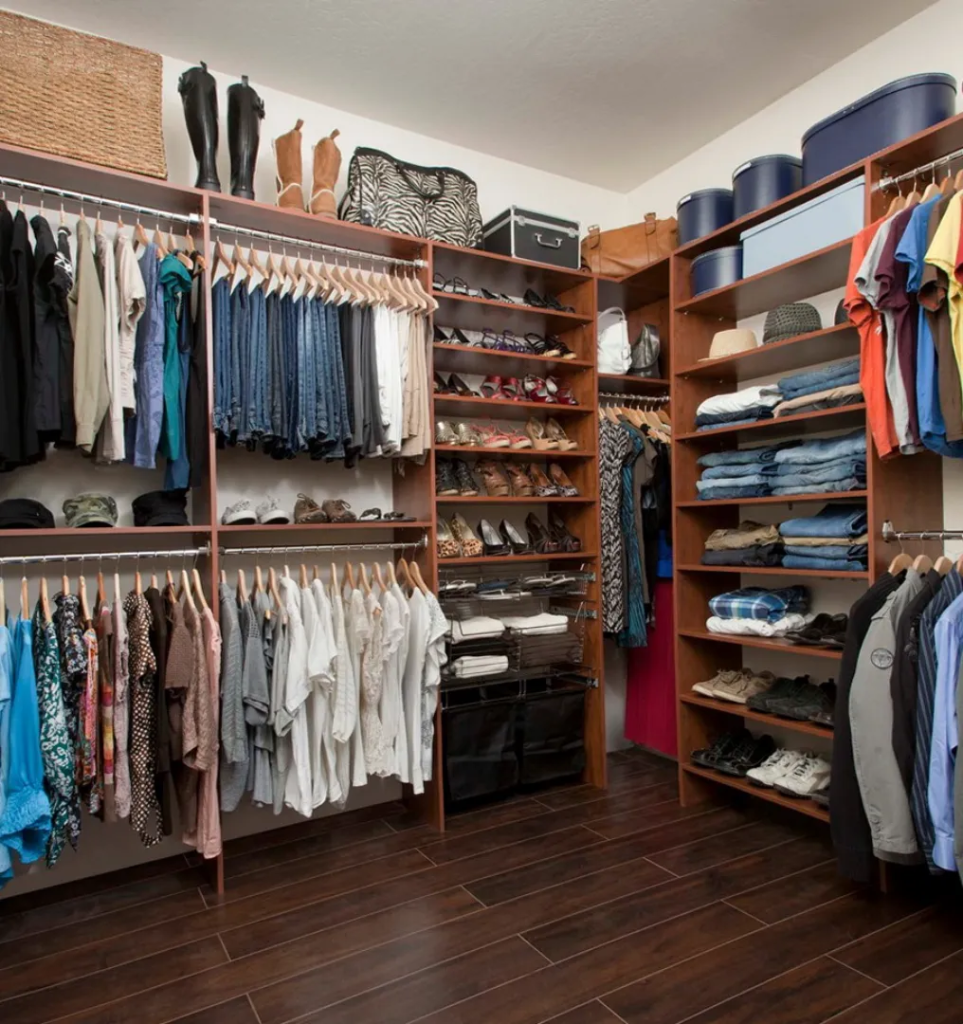
The golden rule is that every item needs one permanent spot. If something has no home, it ends up on the nearest flat surface, and that’s how clutter starts. Put things where you use them, not where it looks neat. Keep daily items at eye level and rarely used ones on high shelves or in the back.
5. Use Smart Storage
Good storage makes your system easy to maintain. It doesn’t need to be fancy, but it should fit the space and the items.
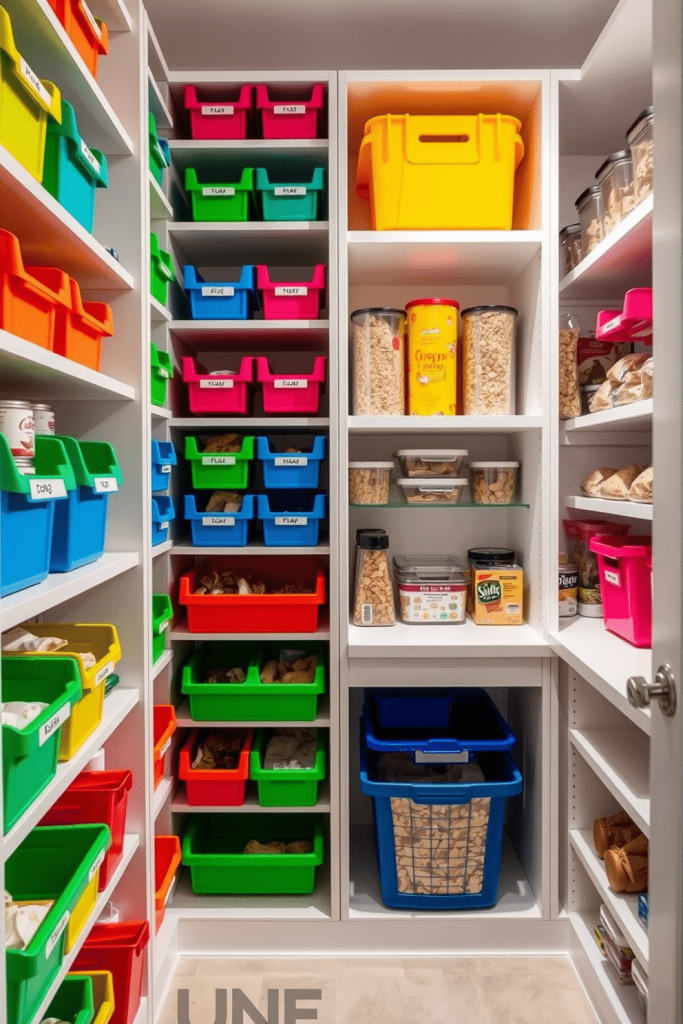
- Clear containers let you see what’s inside without opening them.
- Drawer dividers keep small items from turning into a jumble.
- Vertical shelves use wall height, which is great for small spaces.
- Under-bed boxes hold off-season clothes and extra bedding.
- Over-the-door hooks free up floor and counter space.
One tip pros always repeat: measure first, then buy. Too many people buy storage that doesn’t fit, then it becomes clutter too.
6. Label Everything
It sounds basic, but labels are what keep an organized home organized. When every basket, shelf, and box has a clear label, everyone in the house knows where things go, including kids and guests.
Use a simple label maker, masking tape, or a marker. Keep the wording short and specific, like “Chargers,” “Baking supplies,” or “Winter scarves.” Labels remove guesswork, and that’s what makes a system last.
7. Work Room by Room
Trying to organize the whole house at once is the fastest way to quit. Instead, finish one room before moving to the next. You get a clear win, and the progress motivates you to keep going.
A good order for most homes is the entryway, living room, kitchen, bedroom, bathroom, and storage areas last. If you want more detail on a specific space, read our guide on how to organize your house room by room, or our step-by-step guide on how to organize your room.
8. Keep Only What Earns Its Space
Every professional organizer works with limits. Your cabinet holds a certain number of mugs, and your closet holds a certain number of hangers. When the space is full, something has to go before something new comes in.
Try the “one in, one out” rule. Bought a new shirt? Donate an old one. This keeps your home from slowly filling up again, and it works for a minimalist lifestyle or a regular family home alike.
9. Build Habits That Last
Organizing is a one-time project. Staying organized comes from habits.
- Daily reset: Spend ten minutes each evening putting things back where they belong.
- One-minute rule: If a task takes less than a minute, do it now.
- Weekly tidy: Pick one day to clear surfaces, sort the mail, and wipe things down.
- Monthly check: Scan one room or drawer for things you no longer need.
Consistency matters more than perfection. A home that’s mostly tidy every day beats a perfect one that’s a disaster two weeks later.
Common Mistakes to Avoid
- Buying storage first. Declutter, then measure, then shop.
- Skipping the sorting step. Organizing without sorting leads to the same mess.
- Keeping “just in case” items. If you haven’t touched it in a year, you probably don’t need it.
- Ignoring your family’s habits. Build a system that fits how people really live, not an ideal version.
Final Thoughts
Learning how to organize your home like a professional comes down to a few repeatable steps: plan, declutter, sort, create zones, add storage, label, and keep up your routine. None of it needs a big budget or a free weekend.
Pick one drawer, shelf, or corner today and apply these steps. Once you see how good a clear, organized space feels, you’ll want to do the next one.