Some people seem to have naturally tidy homes. Their keys are always in the same spot, the mail never piles up, and dinner doesn’t start with a hunt for the right pan. The truth is that they’re not born that way. They just have a few simple systems and habits.
If you want to know how to be more organized at home, you can build those same habits, one small step at a time. You don’t need a big budget or a perfect personality.
1. Start With Why
Before you change anything, ask yourself why you want a more organized home. Maybe you waste time looking for things. Maybe the mess stresses you out. Maybe you want a calm space for your family.
Write your reason down. When motivation drops, it reminds you why you started.
2. Declutter Before You Organize
You can’t organize clutter. If a space is overloaded, the best system in the world won’t help. Start by removing what you don’t need.
Go through one area at a time and sort items into four piles: keep, donate, relocate, and trash. Ask yourself if you use it, like it, and have a place for it. If the answer is no, let it go. Removing clutter is the fastest way to make a home feel lighter. If you need a step-by-step plan, try our guide on how to organize your house in 30 days.
3. Give Every Item a Home
Clutter happens when things have nowhere to live. Decide on one fixed place for everything you own. Keys in a bowl by the door, bags on a hook, chargers in a single drawer.
Put things where you actually use them, not where they’d look neat. When every item has a home, tidying up takes minutes instead of hours.
4. Create Simple Zones
Divide your home into small zones based on what you do there. A coat zone at the entrance, a homework zone at the table, a cleaning zone under the sink, a charging zone in the kitchen.
Zones keep similar items together and make it clear where things go. Even in a small home, a basket or tray can create a zone.
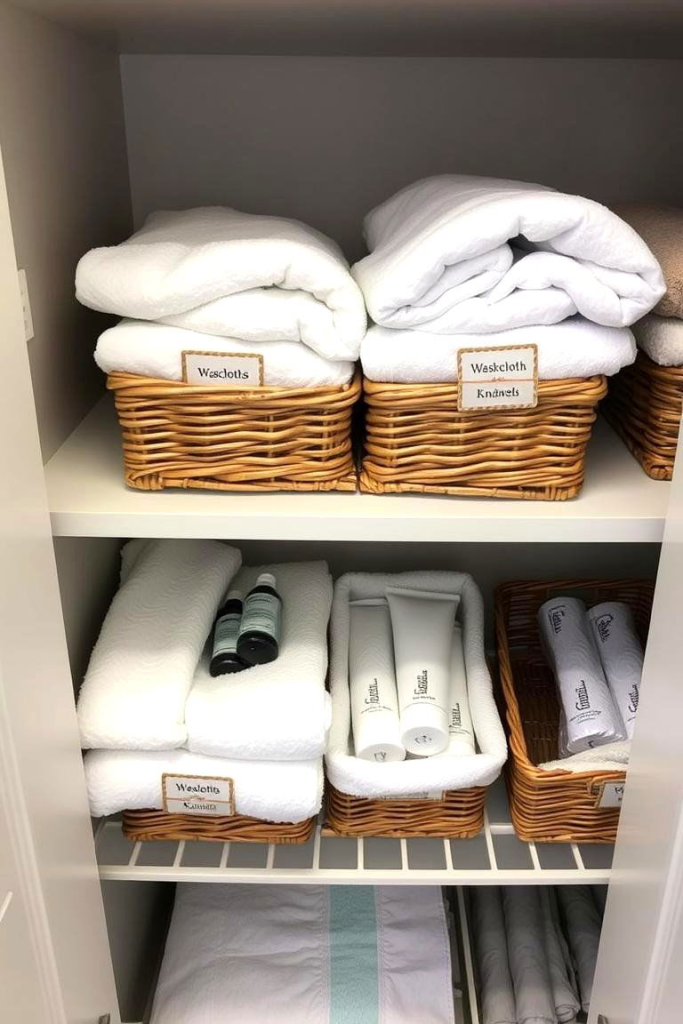
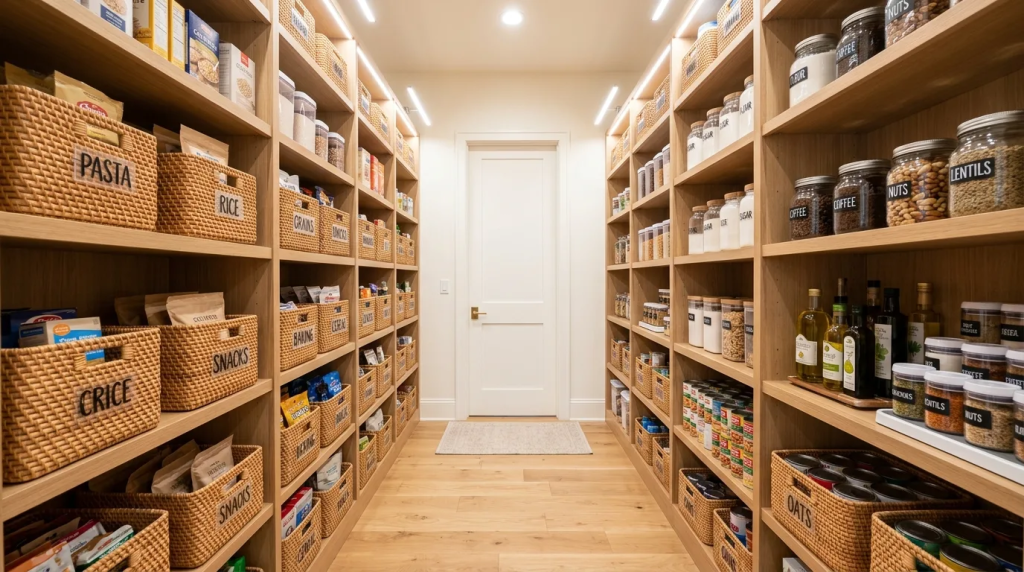
5. Use Smart Storage
Good storage keeps your system running. You don’t need anything fancy.
- Clear bins so you can see what’s inside
- Hooks for bags, coats, and towels
- Drawer dividers to separate small items
- Under-bed boxes for extra bedding and off-season clothes
- Wall shelves to use vertical space
Measure first and buy later. Storage that doesn’t fit just becomes more clutter.
6. Label Everything
It sounds basic, but labels make a system easy for everyone to follow, including kids and guests. Use a label maker, tape, or a marker. Keep the wording short, like “Batteries,” “Baking,” or “Winter scarves.”
When you can see where something belongs, you’re far more likely to put it back.
7. Use a Planner or Simple List
Being organized isn’t just about stuff. It’s also about time. A planner, a phone calendar, or even a sticky note on the fridge helps you keep track of tasks, bills, and appointments.
Try this small routine:
- Spend five minutes each night writing tomorrow’s top three tasks.
- Keep one list for groceries and one for chores.
- Put important dates, like school events or bill due dates, on one shared calendar.
Less mental clutter means less stress.
8. Build Daily Habits
A home stays organized through small, repeated actions. These habits do most of the work:
- Make your bed every morning.
- Clear one surface before you leave the house.
- Do a ten-minute reset each evening to put things back.
- Wash dishes right after meals, or at least before bed.
- Sort mail the day it arrives.
Pick two or three to start with, not all at once. Once they feel normal, add more.
9. Keep a Weekly and Monthly Routine
Daily habits handle the small stuff. A weekly and monthly routine takes care of the rest.
- Weekly: Wipe surfaces, vacuum, do laundry, and take out the trash on a set day.
- Monthly: Check one room, closet, or drawer for things to donate or throw away.
- Seasonally: Swap clothes, clear the fridge and pantry, and review your storage.
Put these on your calendar so they actually happen. If you’d like a clear room-by-room plan, read our guide on how to organize your house room by room.
Common Mistakes to Avoid
- Trying to change everything at once. Start with one room or habit.
- Buying storage first. Declutter, measure, then shop.
- Aiming for perfect. A home that’s easy to live in is the goal.
- Keeping “just in case” items. If you haven’t used it in a year, let it go.
- Doing it alone. Share jobs with the people you live with.
- Giving up after a messy week. Just start again the next day.
Quick Checklist
- Write down your reason
- Declutter one area
- Give every item a home
- Create zones
- Add simple storage
- Label baskets and boxes
- Use a planner
- Pick two daily habits
- Set a weekly and monthly routine
Final Thoughts
Learning how to be more organized at home isn’t about buying more things or doing a huge cleanup. It’s about a few steady changes: declutter, give items a home, add simple storage, and keep up small habits. Over time, you’ll spend less time searching and cleaning, and more time actually enjoying your home.
Start today with one drawer, one shelf, or one habit. If you feel stuck, read our post on how to get organized at home when overwhelmed, or our tips on how to organize your home like a professional.